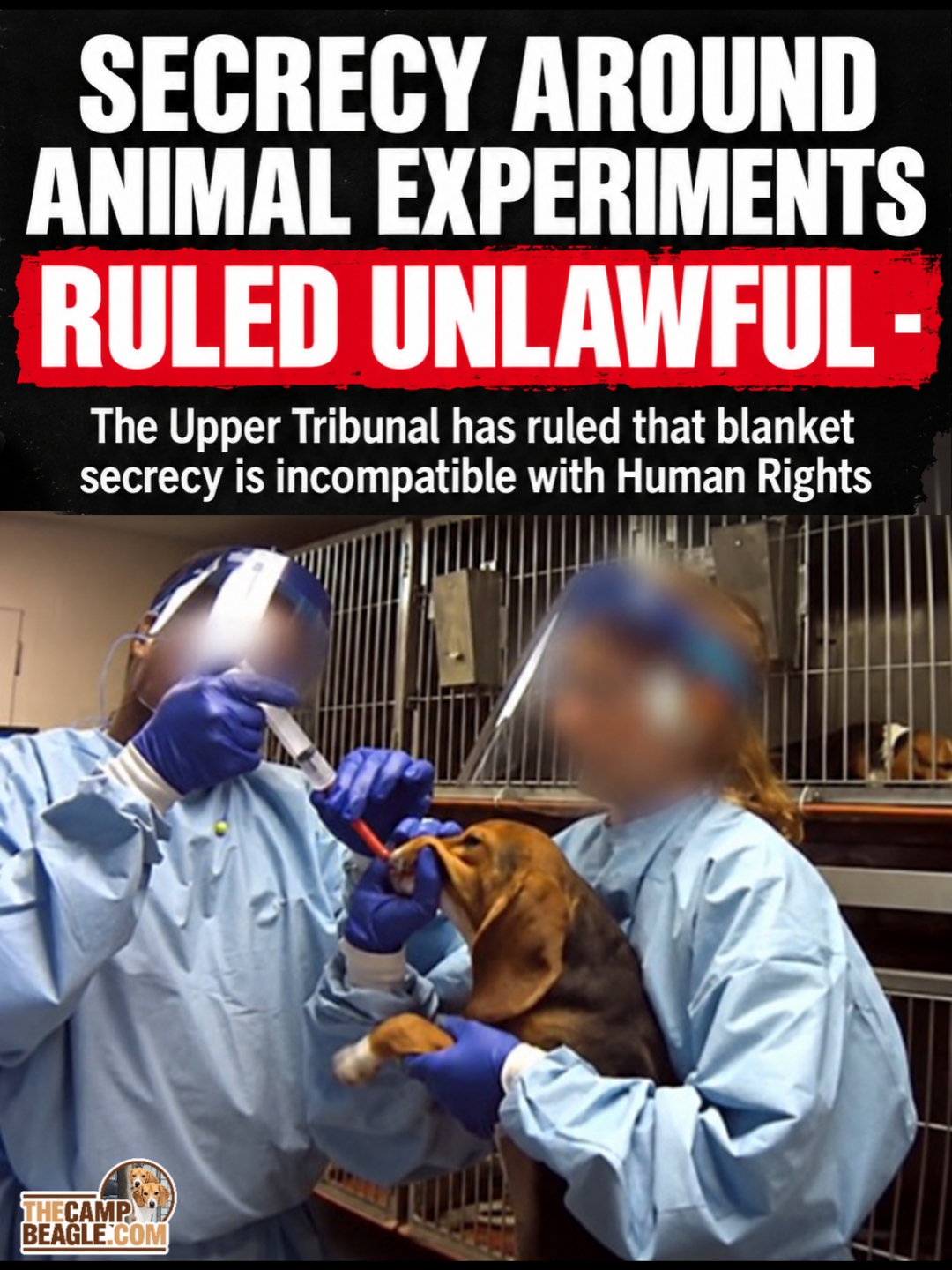
Secrecy Around Animal Experiments Ruled Unlawful
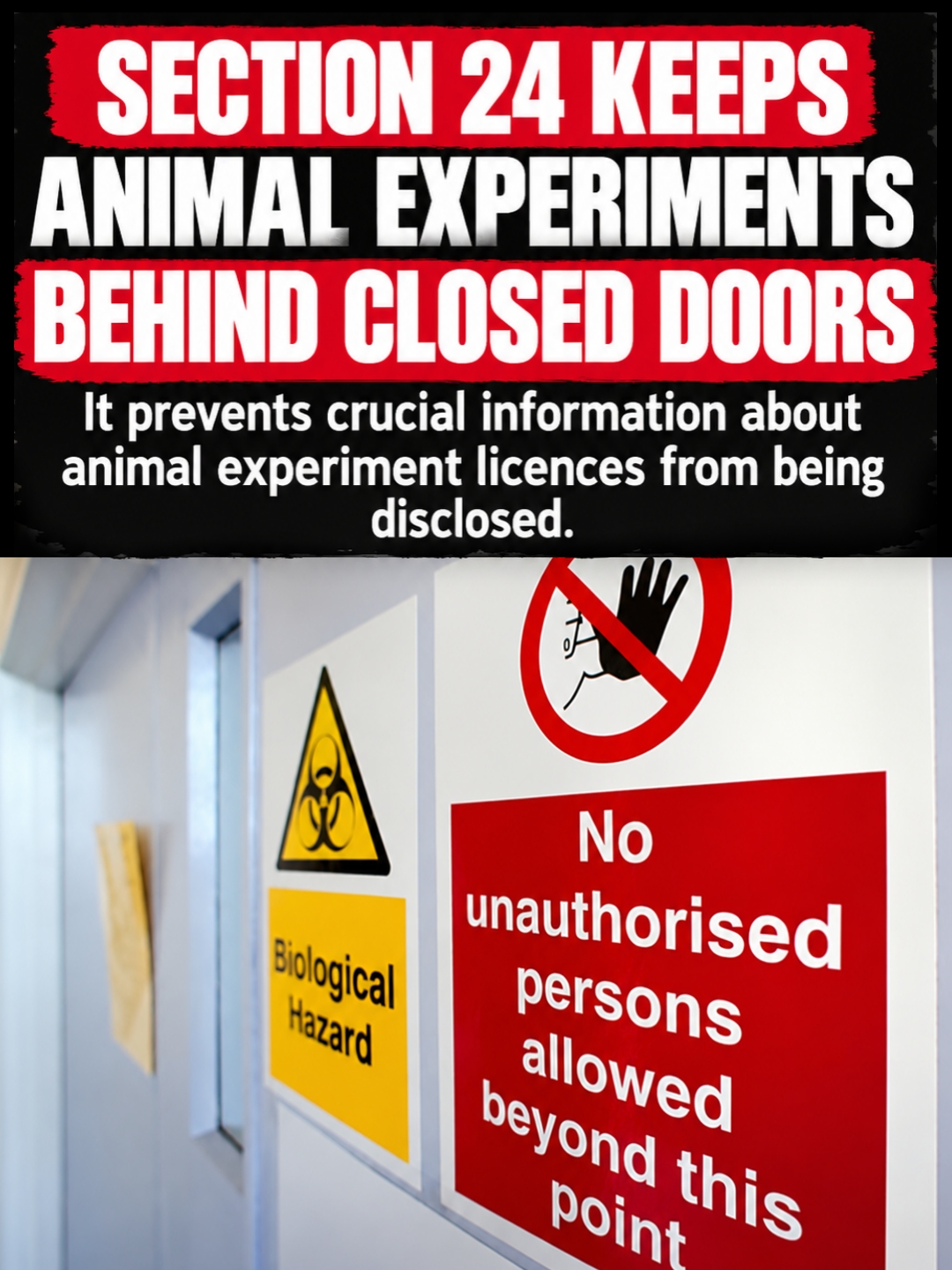
For decades, a provision of UK law has helped keep crucial information about animal experiments hidden from the public.
Section 24 of the Animals (Scientific Procedures) Act 1986 (ASPA) prevents the Home Office from disclosing information provided in confidence by animal researchers — including detailed applications for licences to conduct animal experiments.
Now, following a landmark legal challenge brought by Cruelty Free International (CFI), a three-judge Upper Tribunal has ruled that this blanket secrecy is incompatible with Article 10 of the European Convention on Human Rights.
The case began after CFI sought information about the Home Office’s decision to grant licences for animal testing for cosmetics and was refused access under Section 24.
The ruling is a major victory for transparency.
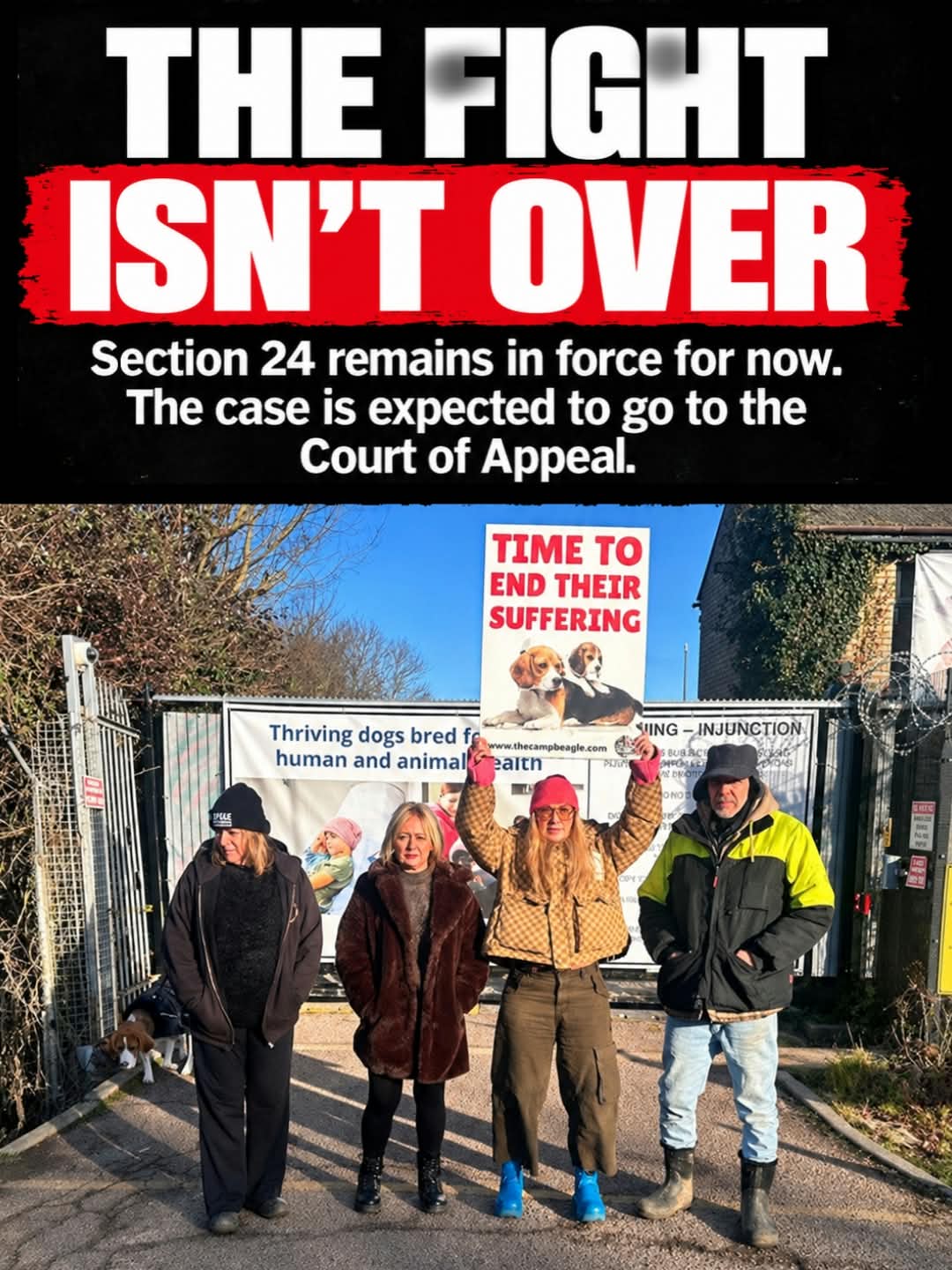
But Section 24 has NOT disappeared yet.
The case is expected to continue to the Court of Appeal, which could ultimately lead to Section 24 being reinterpreted to include a public-interest test, or to a declaration of incompatibility that would put the issue before Parliament.
This matters far beyond this particular case.
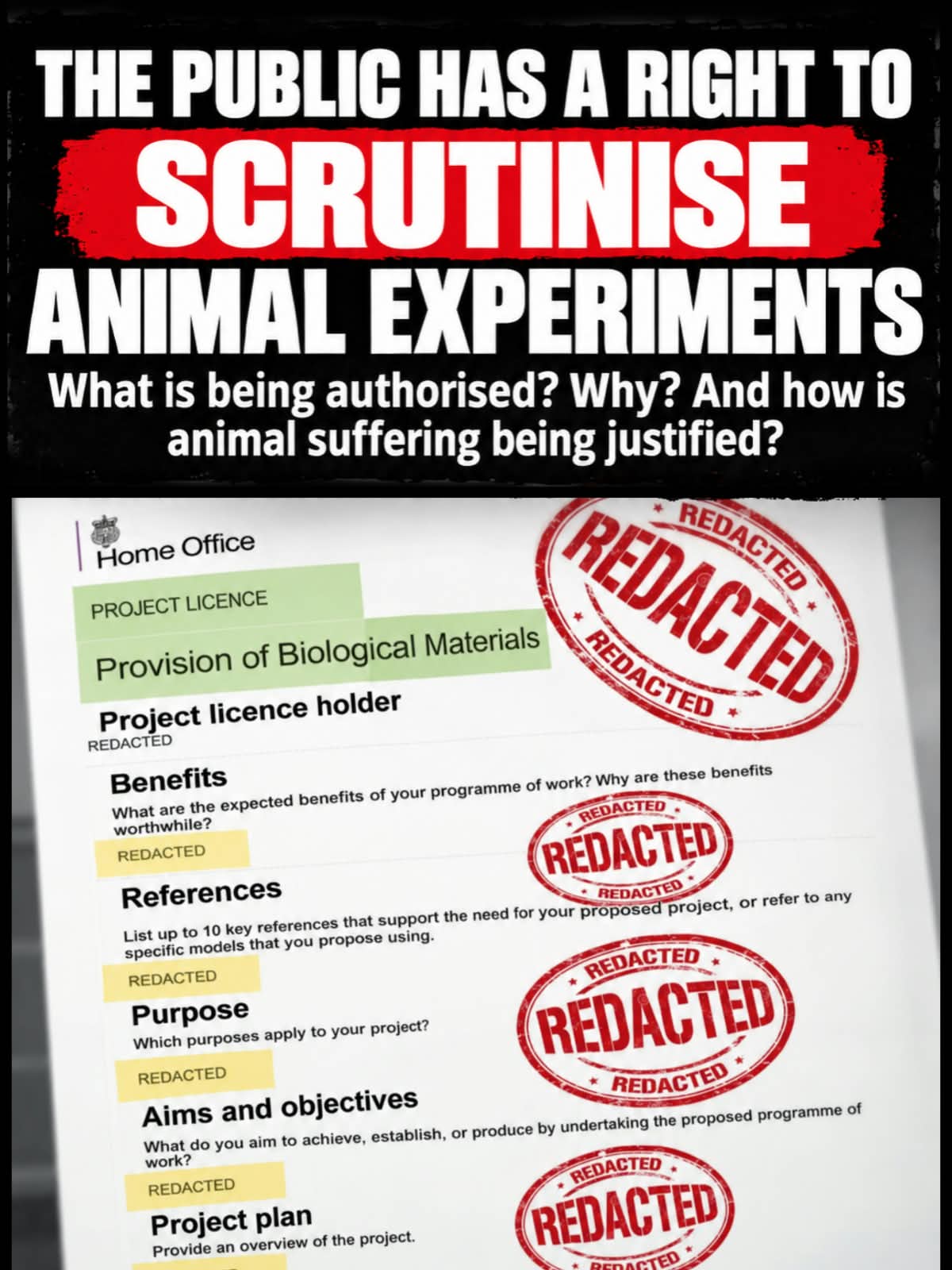
Every year, the Home Office authorises millions of procedures on animals. Decisions about whether their suffering is considered “justified” should not take place behind closed doors, protected from meaningful public scrutiny.
What experiments are being authorised?
Why are they being approved?
What evidence is being used to justify them?
How is animal suffering being weighed against the claimed benefits?
The public has a right to ask these questions — and to scrutinise the answers.
Animal experimentation should not operate as a closed conversation between researchers and regulators.